Skylight Options: Upgrade Natural Lighting Indoors
Tips and Best Practices for DIY Flat Roof Skylights
Do-it-yourself skylights designed for flat roofs deliver effective ways to boost natural illumination and airflow. Through thoughtful choice of placement and components, property owners can develop welcoming areas that are simultaneously practical and visually attractive. An organized installation approach is vital for enduring performance. Yet, grasping the nuances of insulating and servicing is similarly significant. What actions need to be executed to confirm these skylights function optimally throughout their lifespan?
Comprehending the Value of Skylights
Skylights deliver many benefits for flat roofs, substantially boosting both design appeal and operational efficiency. They offer natural daylight, turning shadowy, restricted areas into brilliant and attractive spaces. This influx of sunlight can reduce reliance on artificial lighting, leading to energy savings. Moreover, skylights boost airflow, aiding in managing internal temperatures and decreasing dampness levels. They can further boost the complete value of a property by generating a more unrestricted and roomy ambiance. Moreover, skylights can contribute to better air quality by promoting airflow, which is particularly beneficial in areas prone to moisture buildup. Overall, the integration of skylights in flat roofs can greatly enhance a home's livability and energy efficiency.
Selecting the Right Location
In identifying the ideal placement for skylights on flat roofs, several factors must be considered to maximize their benefits. First, the orientation of the roof plays a crucial role; south-facing skylights generally capture more sunlight, enhancing natural light and warmth. In addition, proximity to adjacent structures should be assessed, as nearby buildings or trees can hinder sunlight and reduce effectiveness. The intended use of the space below is also crucial; areas requiring ample light, such as living rooms or kitchens, warrant higher skylight placement. In addition, local climate conditions should be considered, as regions with heavy snowfall may demand positioning that mitigates snow accumulation. Eventually, careful planning provides peak functionality and aesthetic appeal for the skylight installation.
Picking Materials for Your Skylight
In choosing materials for a skylight, the selection between glass and acrylic substantially influences durability and light transmission. Moreover, the frame material holds significant importance in ensuring structural soundness, while effective insulation and weatherproofing are critical for protecting against the elements and energy efficiency. Deliberate assessment of these elements will secure a successful skylight installation.
Glass versus Acrylic Choices
Selecting the right material for a skylight can substantially impact both aesthetics and functionality. Glass and acrylic are the two most widely-used options. Glass skylights provide superior durability and scratch resistance, making them ideal for long-term use. They also provide exceptional clarity, boosting natural light transmission. However, glass can be heavier and more expensive, which may complicate installation.
On the other hand, acrylic skylights are lightweight and usually more affordable, making them less complicated to work with for DIY projects. They are offered in various tints and can provide UV protection. Nonetheless, acrylic is more subject to scratching and may fade over time. At the end of the day, the preference between glass and acrylic will hinge on cost constraints, sought-after aesthetics, and specific project needs.
Frame Material Choices
The material used for a skylight frame is vital to its structural integrity, energy efficiency, and overall appearance. Popular options feature wood, aluminum, and vinyl, each delivering distinct advantages. Wood delivers natural insulation and aesthetic appeal but demands regular maintenance to prevent rot. Aluminum is light yet strong, making it ideal for modern designs, though it may conduct heat more readily. Vinyl, a low-maintenance choice, resists corrosion and offers good insulation, although its color selections can be limited. When selecting frame materials, elements such as local climate conditions, budget, and desired aesthetics should be taken into account. Ultimately, the right choice will boost the skylight's performance and complement the building's architectural style.
Insulation and Weather Sealing
Proper insulation and weatherproofing are crucial for guaranteeing the longevity and energy efficiency of skylights. When selecting materials, alternatives such as double-glazed glass or polycarbonate panels should be considered for their superior insulation qualities. These materials help reducing heat loss in winter and minimize heat gain during summer. Furthermore, proper sealing around the skylight frame is imperative; using premium weatherproof caulk can avoid water intrusion and air leaks. Insulation foam can also be added around the frame to enhance thermal performance. It is important to select materials that are not only durable but also resistant to UV degradation to preserve effectiveness over time. By prioritizing insulation and weatherproofing, homeowners can develop a comfortable living space while maximizing energy savings.
Necessary Tools and Equipment
For successful skylight installation on flat roofs, specific tools and equipment are essential. This includes basic hand tools, correct safety equipment, and certain materials essential for the installation task. Understanding these components will guarantee a smoother and safer DIY experience.
Necessary Hand Tools
Effective installation of DIY skylights for flat roofs calls for a selection of essential hand tools that guarantee precision and efficiency. Key tools include a tape measure, which ensures accurate dimensions, and a chalk line for marking straight lines. A utility knife is essential for cutting roofing materials, while a level confirms that skylights are installed evenly. A pry bar helps with removing existing roofing materials, and a hammer is necessary for securing components. Additionally, a drill with appropriate bits facilitates smooth installation of screws. A roofing square is useful for creating precise angles, and safety goggles are vital to protect the eyes during work. Together, these tools provide the foundation for a successful skylight installation project.
Safety Equipment Required
Safety apparatus provides an indispensable line of protection during the installation of DIY skylights on flat roofs. A hard hat safeguards the head from potential falling debris, while safety goggles guard the eyes from dust and sharp materials. Non-slip work boots provide stability on the roof surface, decreasing the risk of slips and falls. Gloves are essential for hand protection against cuts and abrasions, ensuring a secure grip on tools and materials. Additionally, a safety harness may be needed to prevent falls, particularly when working near roof edges. Ear protection is also suggested if power tools are used, as they can produce harmful noise levels. Emphasizing safety gear contributes markedly to a secure and efficient installation process.
Installation Materials
With the establishment of the importance of safety gear, the next step requires gathering the appropriate materials and tools for the installation of DIY skylights on flat roofs. Essential tools include a circular saw for cutting the roofing material, a measuring tape for precise dimensions, and a level to verify proper alignment. Additionally, a utility knife is necessary for trimming excess material, while a drill enables the installation of screws or anchors.
Necessary materials comprise of the skylight unit itself, flashing kits, and sealant to prevent leaks. Waterproof roofing membranes should also be included to boost durability. Moreover, having a robust ladder will offer secure access to the roof for installation. Such tools and materials are critical for a skylight project done right.

Complete Step-by-Step Installation Process
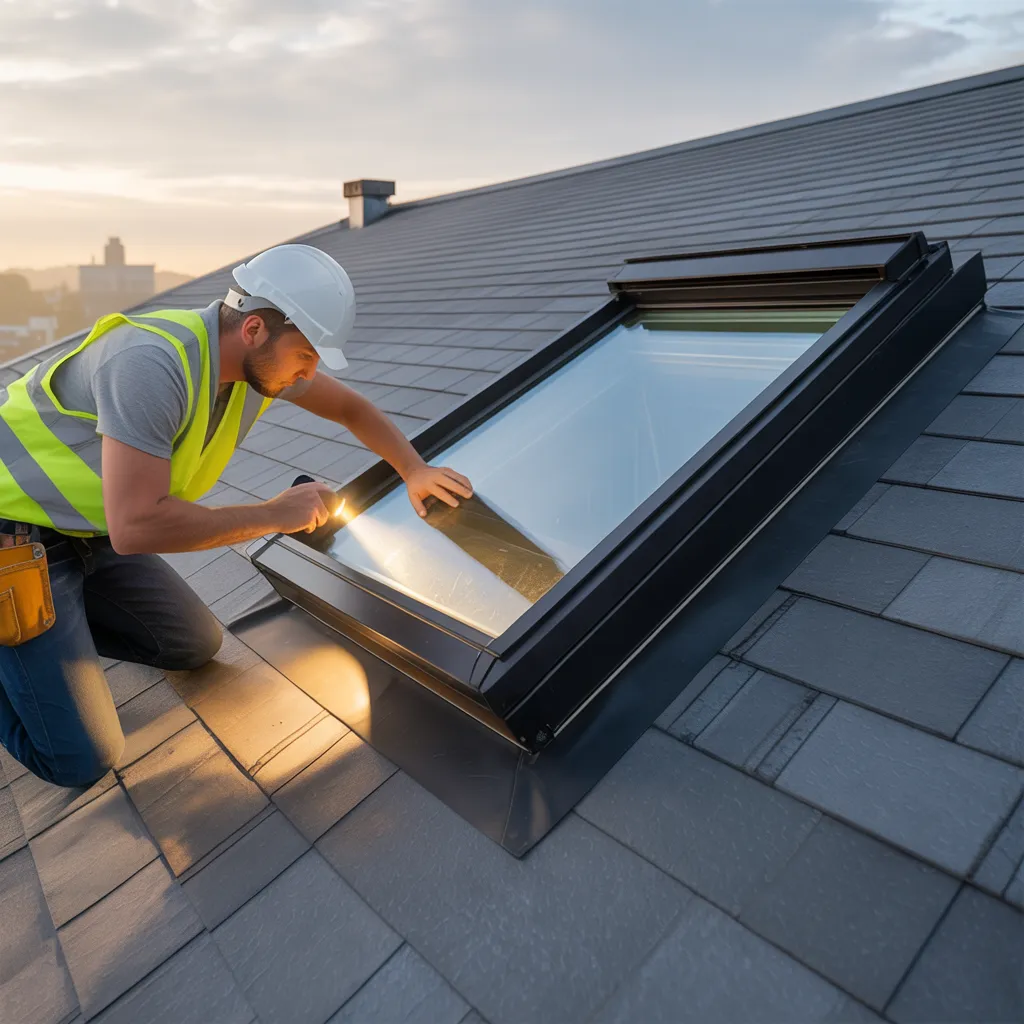
Installing a DIY skylight on a flat roof can change a space by boosting natural light and enhancing ventilation. The installation process begins with choosing the appropriate location, making certain it is free from obstructions. Next, the area is marked, and a cut is made in the roof material, taking care to follow the skylight manufacturer's specifications. The skylight frame is then fastened to the roof deck using screws, making sure a tight fit. Flashing is placed around the skylight to prevent water comprehensive resource infiltration, followed by sealing with roofing adhesive. Finally, the interior trim is installed to complete the aesthetic look. Careful attention to each step ensures a successful skylight installation, maximizing both functionality and visual appeal.
Insulation and Weatherproofing Techniques
When adding a skylight to a flat roof to boost natural light and airflow, appropriate insulation and weatherproofing measures are vital to confirm the structure remains energy-efficient and protected from the elements. The initial phase involves choosing high-quality insulation materials that can effectively minimize heat transfer, such as rigid foam or spray foam insulation. Furthermore, ensuring that the skylight is properly sealed and flashed prevents water infiltration, which can cause structural damage. Using weather-resistant membranes around the skylight perimeter also strengthens resistance to moisture penetration. Moreover, incorporating thermal breaks can boost energy efficiency by minimizing heat loss. Ultimately, addressing both insulation and weather protection during setup plays a critical part in maintaining the integrity and performance of the skylight over time.
Maintenance and Care for Your Skylights
Maintaining skylights is crucial for ensuring their longevity and peak performance. Periodic inspections should be carried out to detect any indications of damage, such as cracks or leaks. Cleaning the glass surface is essential, as debris and dirt can obstruct light and create moisture buildup. A mild soap solution and soft cloth are suggested for this task. Additionally, examining the seals and flashing around the skylight can avoid water infiltration. Any damaged materials should be replaced quickly. It is also wise to clear gutters and drainage systems to ensure proper water flow. All in all, a proactive maintenance routine will improve the functionality of skylights and prolong their lifespan, resulting in a brighter and more energy-efficient living space.
Your Questions Answered
Do Skylights Improve My Home's Energy Efficiency?
Skylights may improve a property's energy efficiency by allowing natural light to minimize reliance on artificial lighting. Appropriate installation and energy-efficient models additionally enhance benefits, possibly cutting heating and cooling costs while increasing overall comfort.
What Does It Cost on Average to Install a DIY Skylight?
The typical cost for a DIY skylight installation ranges from $200 to $1,500, depending on the size, materials, and installation complexity. Extra costs may involve permits and potential structural modifications to the roof.
Does Skylight Installation Require Building Code Compliance?
Yes, there are building codes for skylight installation, which vary by location. These regulations generally cover structural integrity, energy efficiency, and safety requirements, making certain that skylight installations are done correctly and securely according to building codes.
How Can I Stop Leaks Around My Skylight?
In order to prevent leaks around a skylight, proper flashing installation is crucial. Make sure that all seams are securely sealed with waterproof materials, and routinely inspect for wear and tear or wear to maintain the integrity of the installation.
Can I Install a Skylight on a Sloped Flat Roof?
A skylight can be installed on a sloped flat roof. Correct drainage needs to be secured, along with suitable flashing and sealing methods to avoid leaks and support longevity. Seeking professional advice is recommended for ideal results.